Why I Stopped Telling My Sons They Were Smart
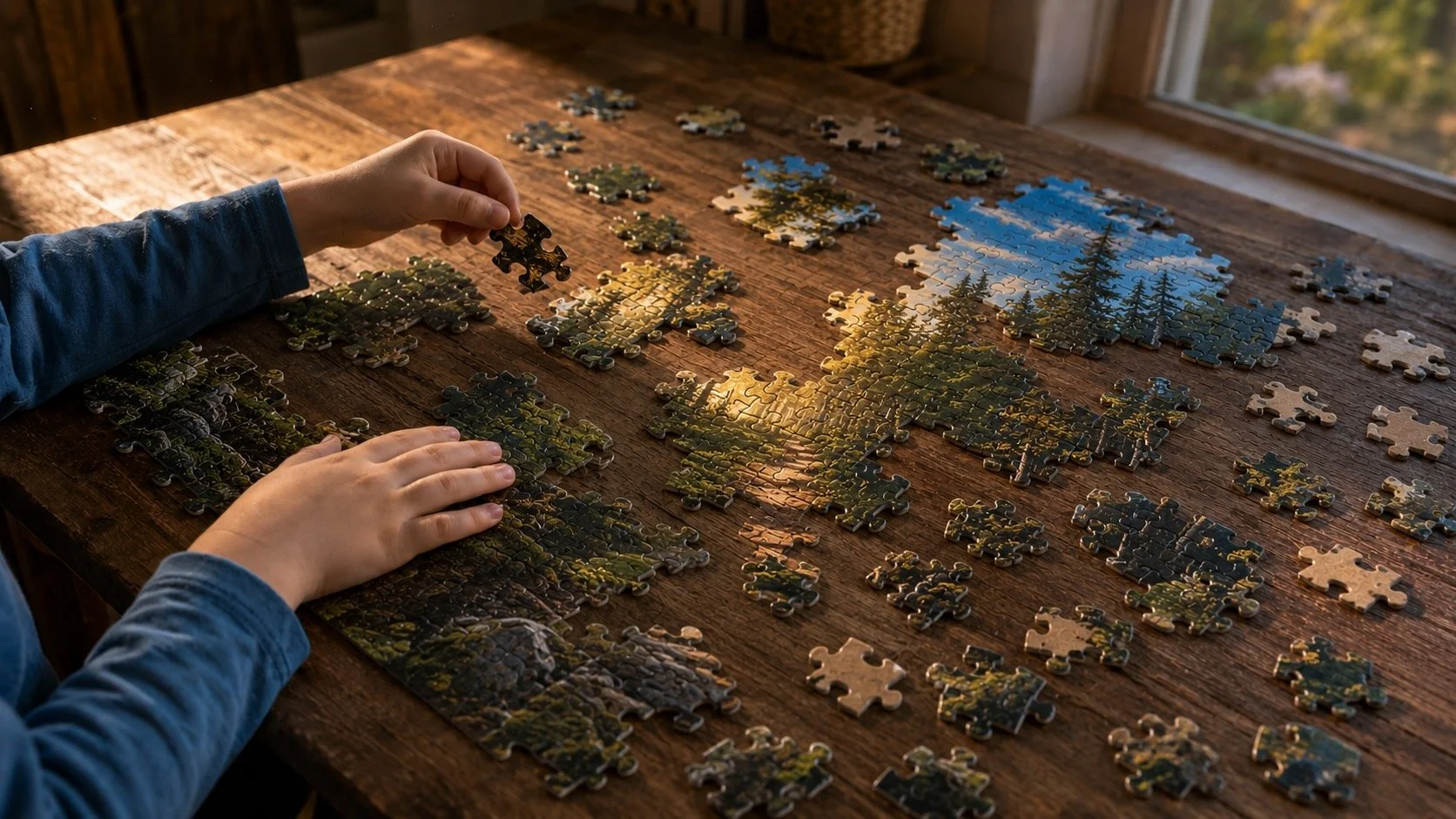
Researchers gave two groups of young kids a set of easy puzzles. Every child finished, and every child got praised. The first group heard, “Great job finishing that puzzle. You must be smart.” The second group heard, “Great job finishing that puzzle. You must have worked hard.”
Then the researchers made the puzzles harder. Both groups finished again, and both got the same praise as before. So the researchers made the puzzles harder still, and kept going until they were so hard that nobody expected the kids to finish them.
That’s when an interesting dynamic emerged.
The kids who’d been told they were smart fell apart. They were miserable and frustrated to the point of tears. The kids who’d been told they worked hard stayed calm and kept trying.

NurtureShock: New Thinking about Children
That’s the study as I remember it. I read about it over a decade ago in NurtureShock: New Thinking About Children, and it changed how I raised my sons more than anything else I’ve tried.
Parenting has felt mostly trial and error for me, and I’ve often wished I could have a “Time Machine Do Over” to correct some of the mistakes. But this one piece of advice made so much sense I put it into practice the day I read it, and I’ve never stopped. I wish every parent knew it.
Here’s why it works. Being smart, handsome, beautiful, or innately talented is mostly outside our control. We’re born with a certain amount of it and can’t change it much. Effort is the one thing we do control. Most of us know people with extreme talent and huge potential who didn’t make much of their lives, and less talented friends who worked hard and became very successful.
When a kid is praised for something he can’t change and then hits a wall, the prevailing subconscious thought is, I’m not so smart after all. A kid praised for effort hits the same wall and thinks, I just need to keep working on it.
From that reading forward, I never praised my boys for being smart, talented, or good-looking. I praised them for working hard and putting in the effort to accomplish what they wanted. I’m not saying I never compliment the way they look, but when I do, it’s on the choices they’ve made about their appearance: getting a good, presentable haircut, exercising to keep their bodies healthy, or choosing not to dress too slovenly. (With teenage boys, you have to celebrate the small wins.)
As they’ve grown, I’ve watched my sons put tremendous effort into areas where they want to succeed.

John—left—blocking a pass.
My oldest, John, discovered Ultimate Frisbee late in his sophomore year in high school. He practiced and practiced, playing as much as he could until he developed the skills to try out for a highly competitive club team in the Raleigh-Durham area. It’s a rarity to make that team after only a year in the sport. He went on to make the team at North Carolina State the next year and played at the nationals in Austin, Texas. On top of that, he’s constantly generating and refining business ideas because he wants to start his own someday soon. I believe he will.
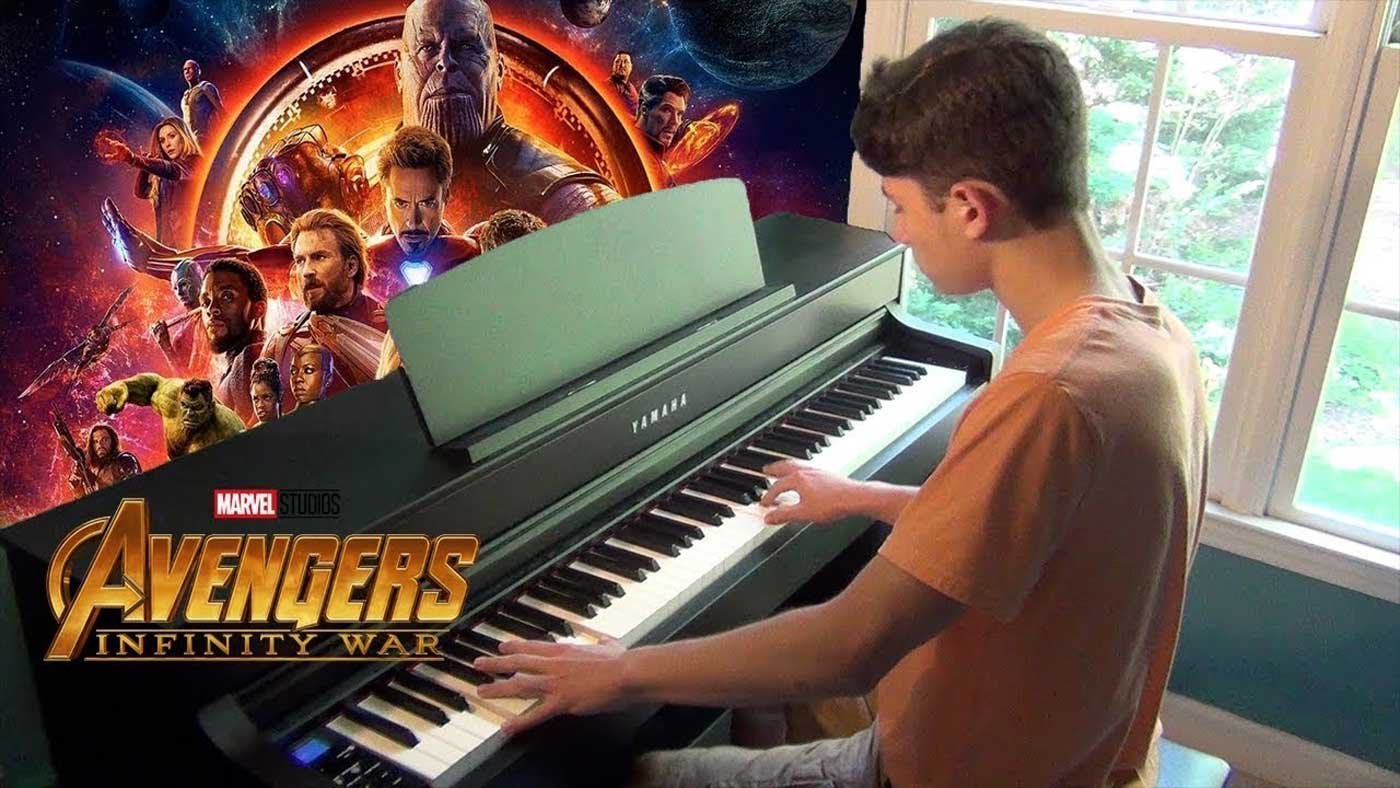
The youngest, Cort, wants to make music his life. I listen to him practice at least three hours a day, every day. Without any urging or direction from me, he created his own YouTube channel, built the subscriber base to over 16,000, and then monetized it. At 17, he’s already getting paid to do something he loves.
Would either boy have done this if I’d praised them for being smart, talented, or athletic? Maybe. But always praising them for their efforts and hard work didn’t seem to hurt.
If your kids are grown and the chance to use this method early on has passed, share it with them anyway. They may be parents someday, and the next generation of kids will be better off for having learned that the things worth having are earned.
If you've ever wondered whether the things worth having really are earned, my novel is one long answer. Flying Colors is the story of a man who stops waiting for his real life to begin and earns it one imperfect effort at a time. The opening chapters are free in the footer below.