The Meditation That Finally Worked for Me
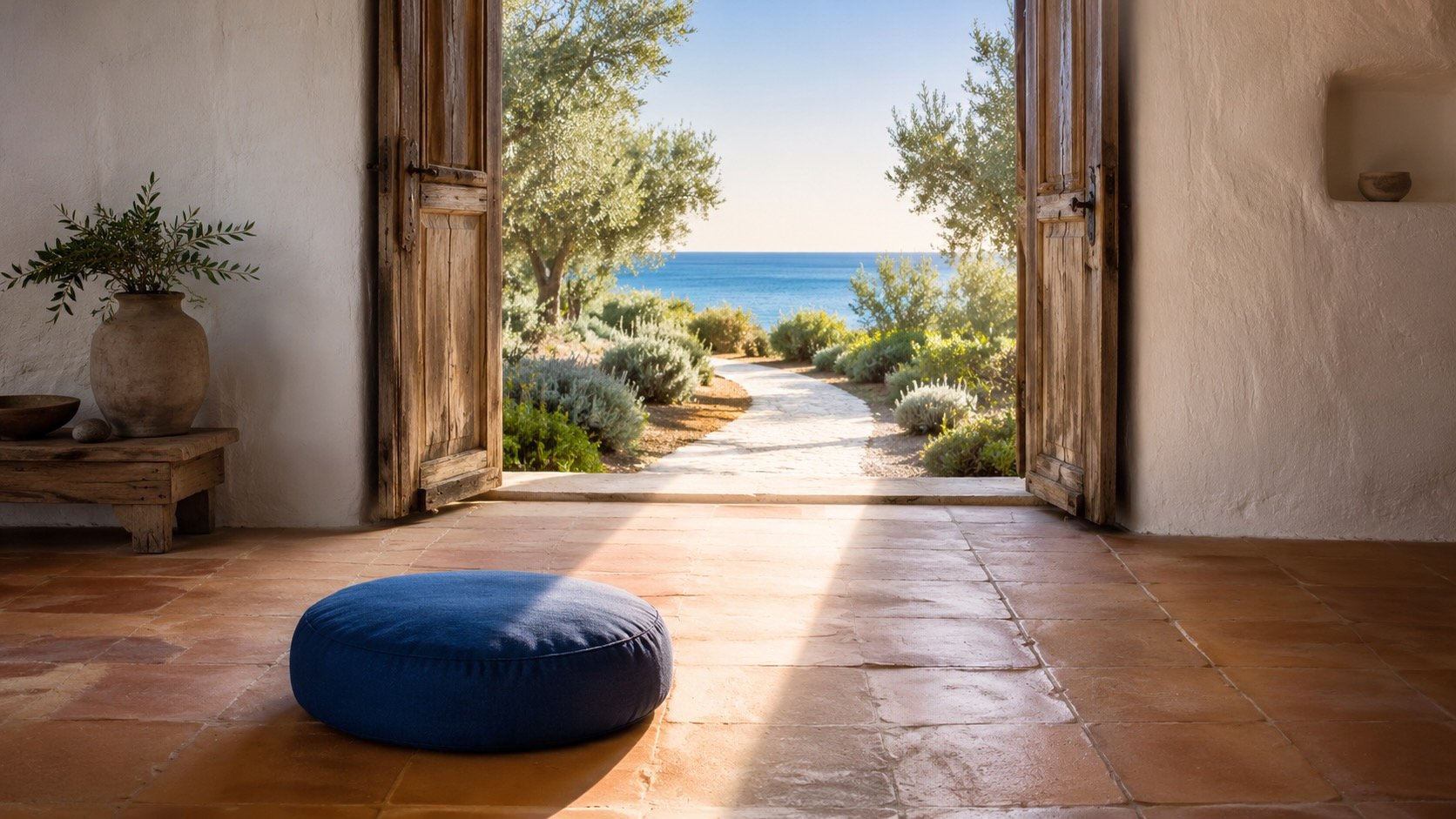
Does the world really need another post on meditation? Probably not. But it gets lots of attention for a reason. Meditation’s benefits are numerous, including training a restless mind to thrive in that elusive present moment. For many of us, that reason alone may be worth trying.
But what if you’re bad at it?
Long-practicing gurus will remind us there’s no such thing as being bad at meditation, that as beginners we shouldn’t judge ourselves as we work to get better.
Yeah, but…
It doesn’t feel that way when you sit down to practice and five seconds in, counting your third breath, you start wondering which kid you will strangle first to break up the wrestling match on the second floor, or has the air conditioner always been this loud blowing through the floor vents, or is there something better I should be doing right now, like cutting the grass blade-by-blade with fingernail clippers so my lawn looks more even?
Experts remind us to let these rogue thoughts go, to visualize clearing them away with the gentle sweep of a beautiful feather. Is something wrong with me then, if I imagine drop kicking them instead, into the street where I see them getting flattened by a cartoon steamroller?
Wait… where was I?
Oh yeah… something about the benefits of meditation.
Tim Ferriss, who wrote The 4-Hour Workweek, has an excellent podcast where, in his words, he “deconstructs world-class performers from eclectic areas (investing, sports, business, art, etc.) to extract the tactics, tools, and routines you can use.” If there’s one common denominator he points to that connects the uber-successful, it’s meditation.
That’s a big endorsement.
But meditation, the way it’s commonly taught—sitting in a comfortable position but not too comfortable, breathing in and out and counting those breaths while trying to clear your mind—vexes me. Something about sudden stillness makes random thoughts rush me like a tidal wave.
Yet, after years of attempting try-to-still-your-mind meditation and quitting every time I got frustrated until some article with an enviable list of meditation benefits lured me back for one more go, I noticed something.
Certain activities provided the same meditative benefits experts touted.
I also realized that the periods of my life when I did these activities were often some of the calmest, most peaceful, and most centered times. Only then did I understand I’m better suited to moving meditation.
Moving meditation? What is that, you may ask?
You can probably find multiple definitions. I’ve seen yoga movement mentioned as moving meditation.
I don’t count it because I don’t find it as peaceful and calm as some, since I’m usually wondering how long the freak-of-nature yoga instructor will make me hold the pretzel pose. They're all pretzel poses to me.
For me to count something as moving meditation, it must meet four essentials:
I get lost in it and time gets bendy
It doesn’t involve electronic screens of any kind
It roots me in the present
I do it by myself
My favorite moving meditations that give me the benefits most often linked to regular meditation are:
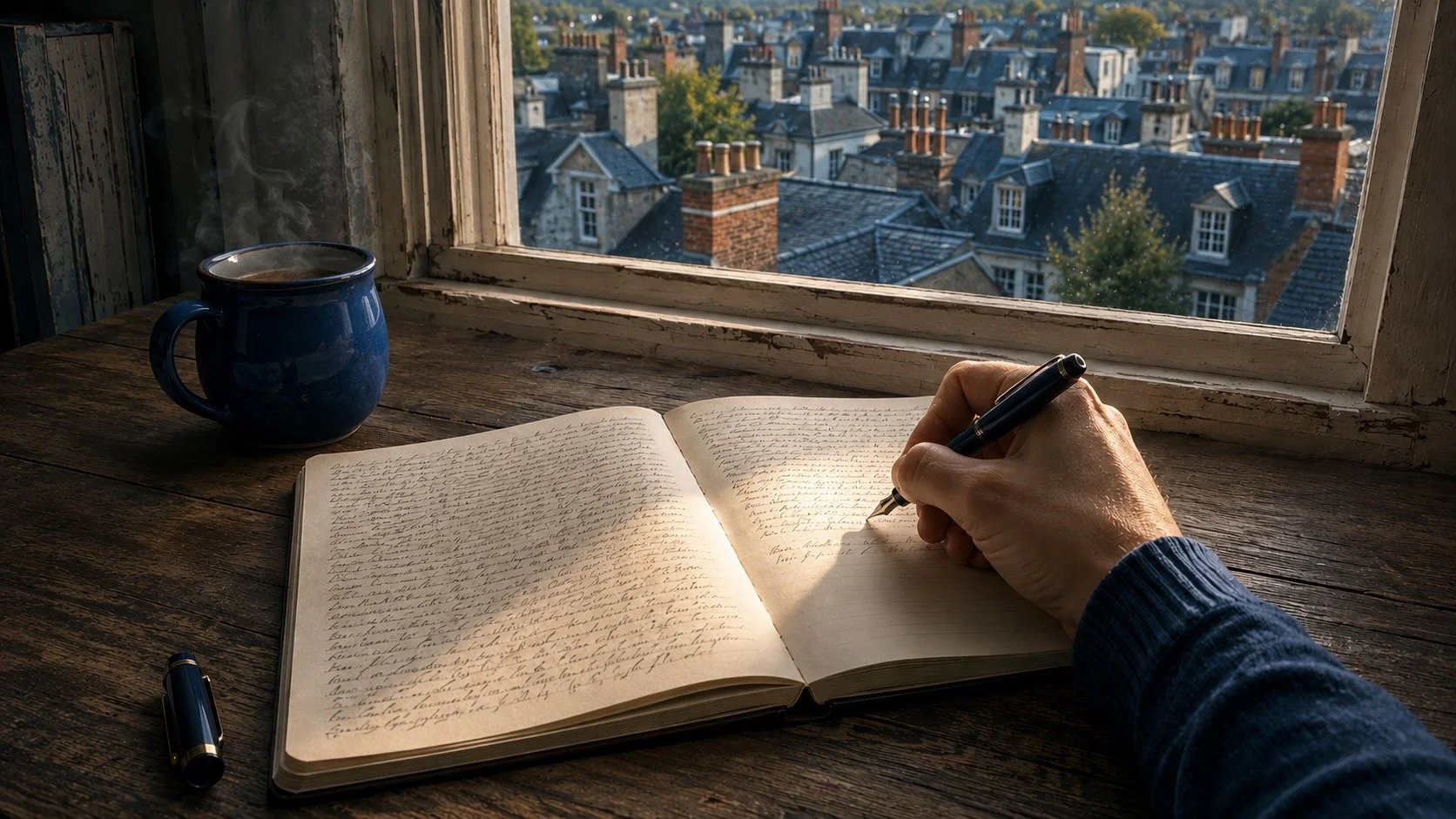
Journaling longhand in a notebook (when using the morning pages method from The Artist’s Way)
Working on interesting puzzles of 1000 pieces or more
Since everyone is different, what works for me may not work for you. Find what does.
If nothing comes to mind right away, try looking back. Maybe you did something as a young child or teen that you loved and got lost in.
What was it? Would it be that hard to do it now? Or maybe it’s an activity you haven’t discovered yet. Consider these:
Painting
Drawing
Woodworking
Building/assembling a model
Hiking in nature
Cooking or baking for fun
Crafting
Planting and maintaining a garden
Whatever it is, I believe the most important thing is to get lost in it without thinking about the past or fretting about the future. Many of us have been on autopilot for some activities as our brains run amok, dealing with crushing worries and letting frustration weigh us down.
That, my friends, is not a moving meditation. It’s a moving mess.
If you don’t feel calm and rejuvenated afterward, find another activity.
As important as this personal epiphany was for me, another important one followed on its heels. When I began doing these moving meditations again after neglecting them for a long time, whenever I tried standard meditation again, guess what?
It became easier. In those moments, I could suddenly channel my calmness from those other activities.
Funny how that works.
Some may ask, if moving meditation gives me the benefits of regular meditation, why do the latter?
Because we can’t always stop the unpleasant thing we are doing during the day and run off to do that moving activity that helps us get lost in the present and reenergizes us.
Sometimes we are sitting in a way-too-long meeting, tempted to stand up and scream, and perhaps terrified we might. Regular meditation pays dividends here: it deepens your breath, calms your thinking, and helps you feel grateful to be alive to experience every moment, good and bad.
As you get better at still meditation, you can access that state more easily no matter what you’re doing, and suddenly the down moments don’t feel as bad as they once did.
If you crave the benefits regular meditation promises but have rarely been able to sit still long enough to get them, find a moving meditation to add to your life and discover where it takes you.
I wrote a novel about a man who finds stillness in the things he loves. It's called Flying Colors, and you can get the opening chapters for free in the footer below.
Keep reading
The Best Time and Beaches to Find Shark Teeth (my favorite moving meditation, in detail)